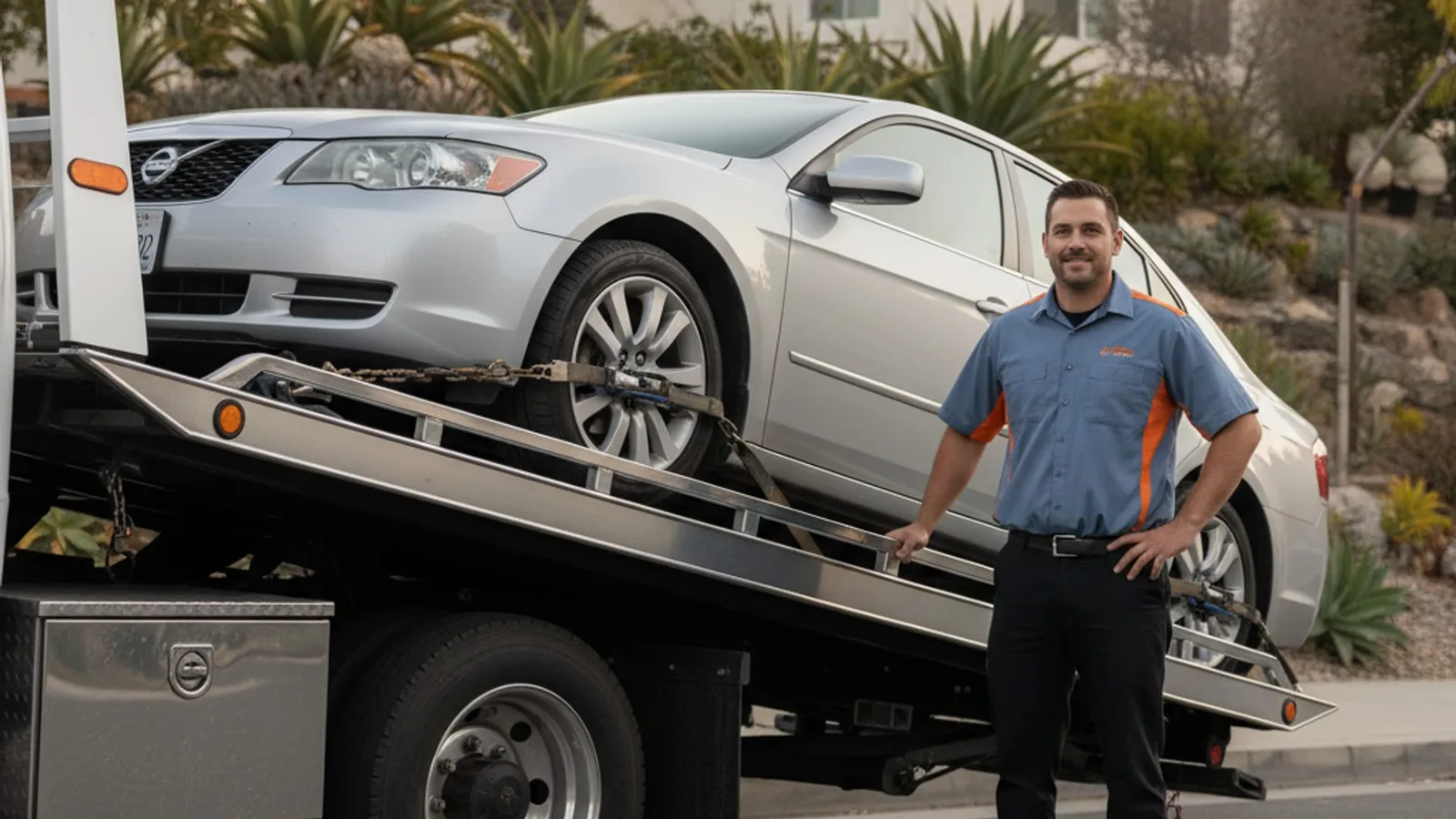
Yes, towing fees in New York City are regulated. The NYPD publishes fixed release fees for parking-violation tows, and the Department of Consumer and Worker Protection caps what a licensed operator can charge for private-lot and accident tows. Those ceilings are the law, not a suggestion, and a charge above them is a complaint you can file. Only a road call from an independent operator is priced by quote, and that quote is stated before dispatch.
The NYPD pound fees are fixed
A car towed off a public street for a parking violation goes to a borough NYPD pound, and the release fee is set and published. It’s $185 for a vehicle under 8,000 pounds and $370 at or above, plus $20 a night storage, with 10 days to reclaim. Those figures come straight from the NYPD towed-vehicles page.
There’s no haggling on a pound fee, and no operator sets it. It’s the city’s charge. What you confirm before you go is the exact total, since storage grows each night and any hold can affect the release.
The DCWP caps private-lot tows
When a licensed operator tows from a private lot or for a blocked driveway, the DCWP caps the price at $125 for the removal plus the first three days, then $15 a day after that. If you return before the car is removed, the drop fee is $62.50. The schedule is on the DCWP towing page.
These caps exist because the city licenses these businesses under Admin Code 20-496 and 20-497 and ties the rate limits to that license. An operator working outside the caps is working outside the terms of doing business in the city.
Accident and police-directed tows have their own cap
A tow police direct after a crash runs on a different schedule. The NYPD rotation program lists a $50 tow, or $100 for a double, with storage at $10 a day for three days then $12. The DCWP DARP and ROTOW caps run to $125 or $140 for the tow with storage at $25 then $27 a day, plus a per-mile figure to a non-facility location. Ask which program handled your car so you’re checking the correct cap.
What isn’t a fixed number
A private road call, where you hire an operator to come move a running or stalled car from where you are, isn’t on the city’s cap schedule the way a pound fee is. That price depends on your location, the vehicle, and the route. A fair operator states it before the truck rolls.
That’s the honest line between regulated and quoted. The pound fee and the licensed private-lot cap are set by the city. A voluntary road call is a quote you should get up front, never a surprise on arrival.
How to challenge an overcharge
If a licensed operator charged you above the DCWP cap, or a lot towed you without compliant signs, that’s a consumer complaint. The Department of Consumer and Worker Protection licenses towing businesses and takes complaints about them. Keep your receipt, note the operator’s name and license, and record what you were charged against what the cap allows.
For a pound fee dispute, work through the pound and the city’s channels rather than the operator, since the city sets that charge. Confirm the correct schedule first so your complaint names the right cap.
When to call us
Quick Tow NYC is a referral service, not a licensed towing operator, and we don’t own trucks. When you need a road call, the independent operator we connect you with states the price before dispatch. Our line is answered around the clock at (858) 925-5546.
Common questions
Are tow prices capped in New York City?
Private-lot and accident tows by a licensed operator are capped by the DCWP, and NYPD pound release fees are fixed and published. A voluntary road call is priced by quote, stated before dispatch.
What’s the most a private lot can charge?
Up to $125 for the tow plus the first three days of storage, then $15 a day after, with a $62.50 drop fee if you return before the car is removed. Charges above that go to DCWP.
How much is an NYPD pound release?
$185 for a vehicle under 8,000 pounds, $370 at or above, plus $20 a night, with a 10-day reclaim window. Confirm the exact total with the pound.
Who do I complain to about an overcharge?
The Department of Consumer and Worker Protection, which licenses towing businesses. Keep your receipt and note the operator’s name and license so your complaint names the right cap.