Roadside guides you can use.
Short driver-focused walkthroughs of the breakdown jobs every New York City driver should know. Each guide comes with step-by-step instructions and a clear line on when to stop and call a tow.
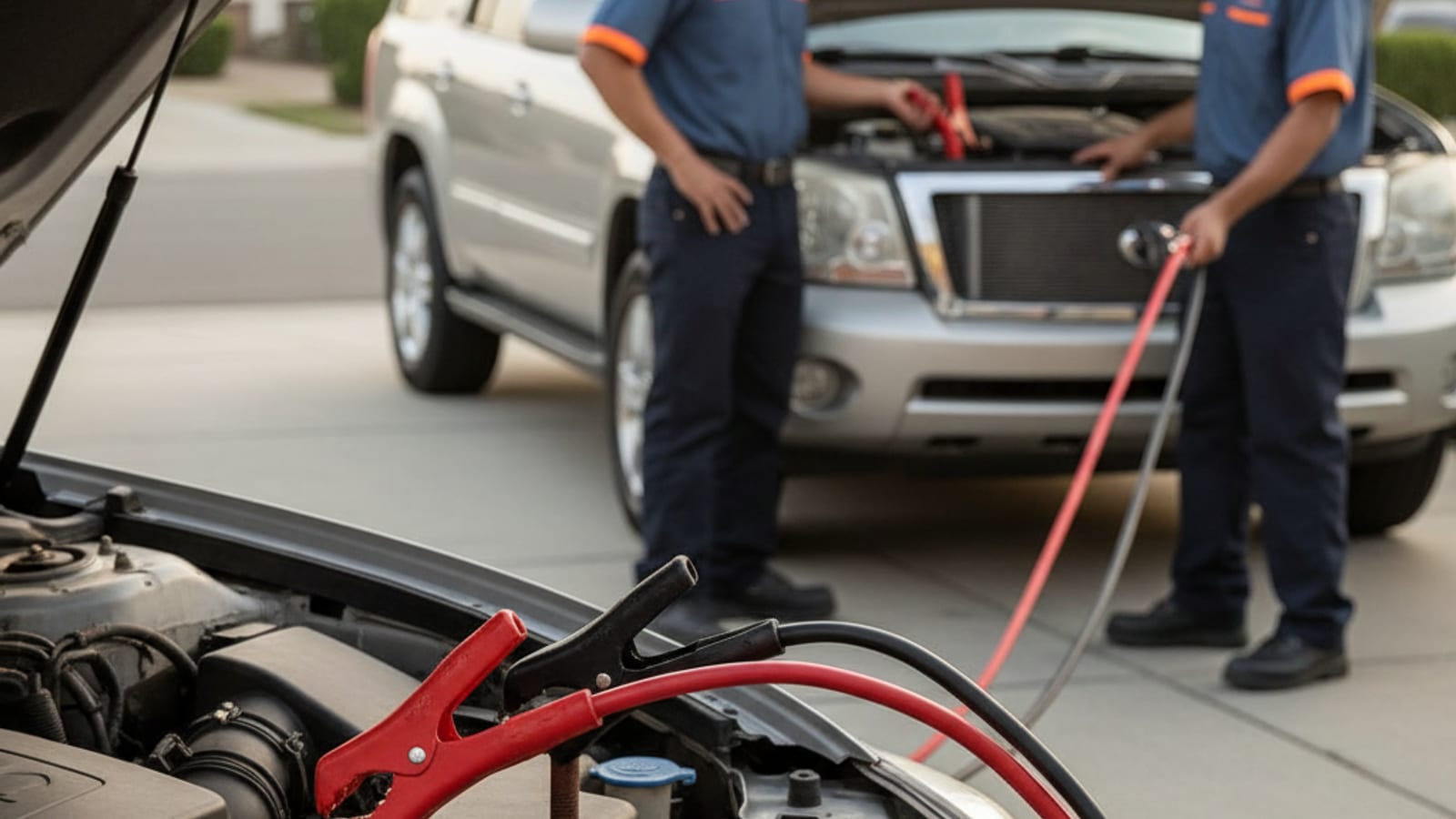
What roadside fixes can you handle yourself?
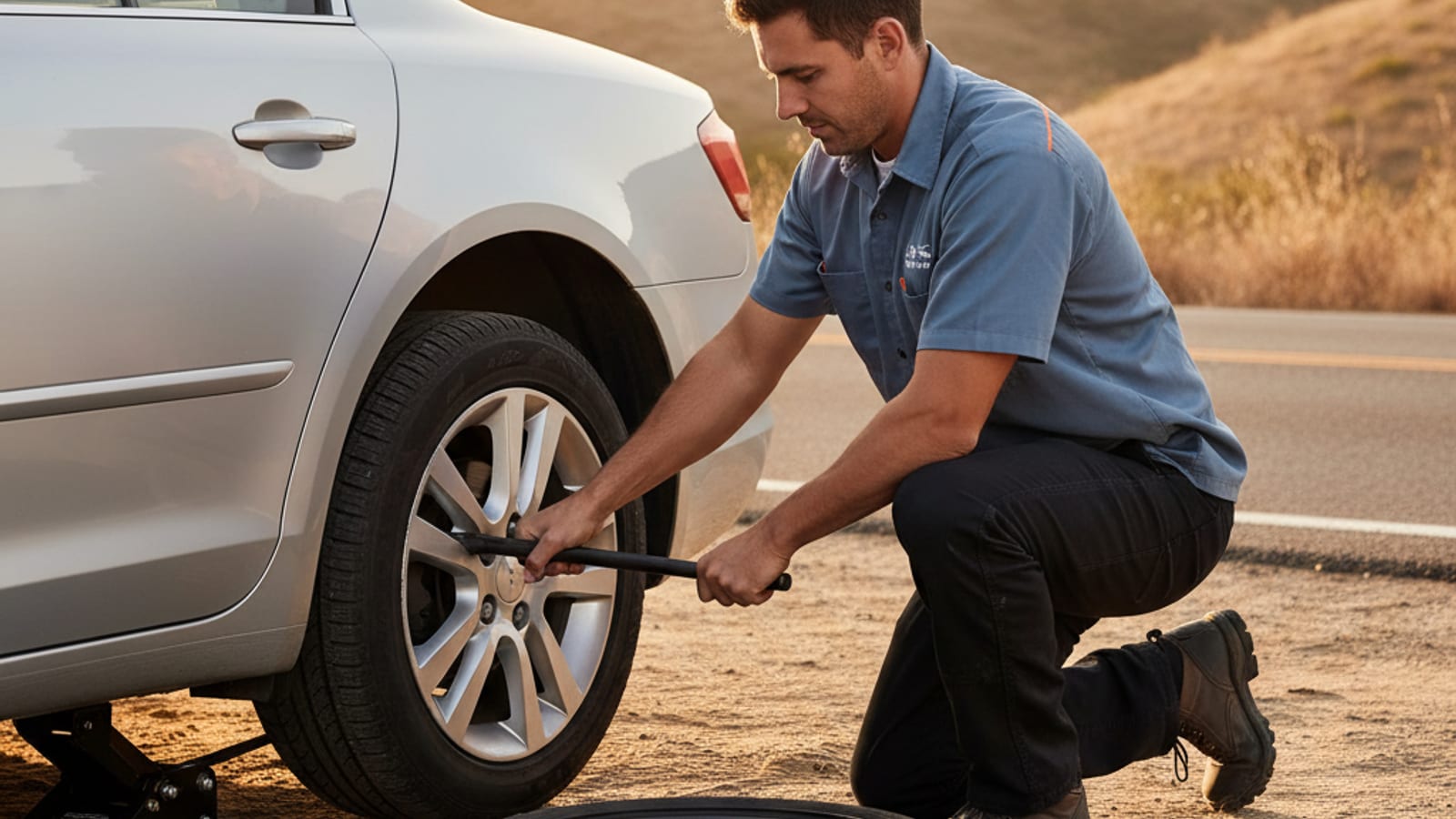
Change a flat tire on the side of the road
The difference between a 20-minute shoulder stop and an hour on the phone with a tow company is knowing where the spare and jack live before you need them.
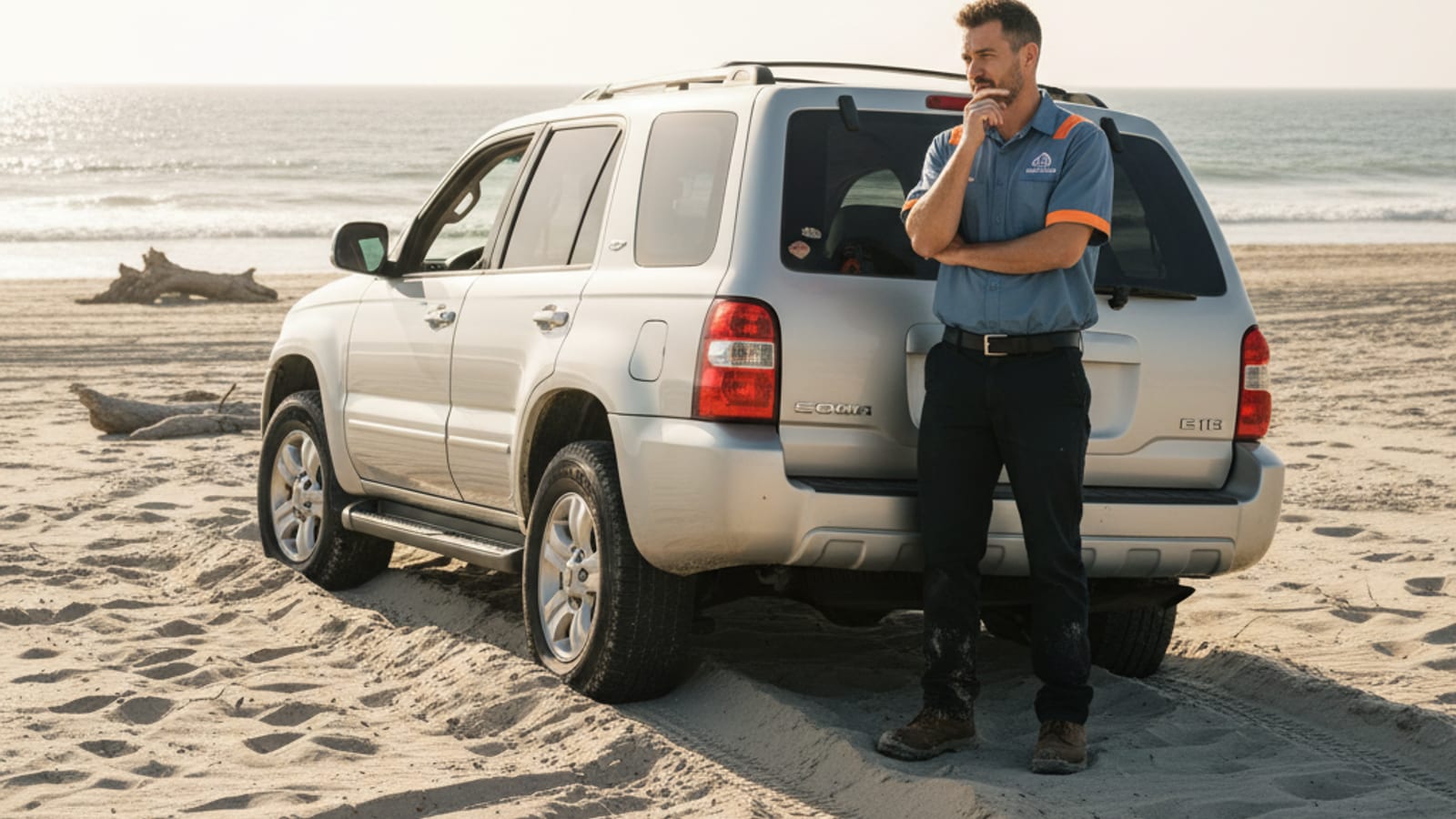
What to do if you slide on ice or hit a flooded underpass
New York winters glaze bridges and ramps before flat streets, and a heavy rain fills a highway underpass faster than it looks. First step: stop making it worse.
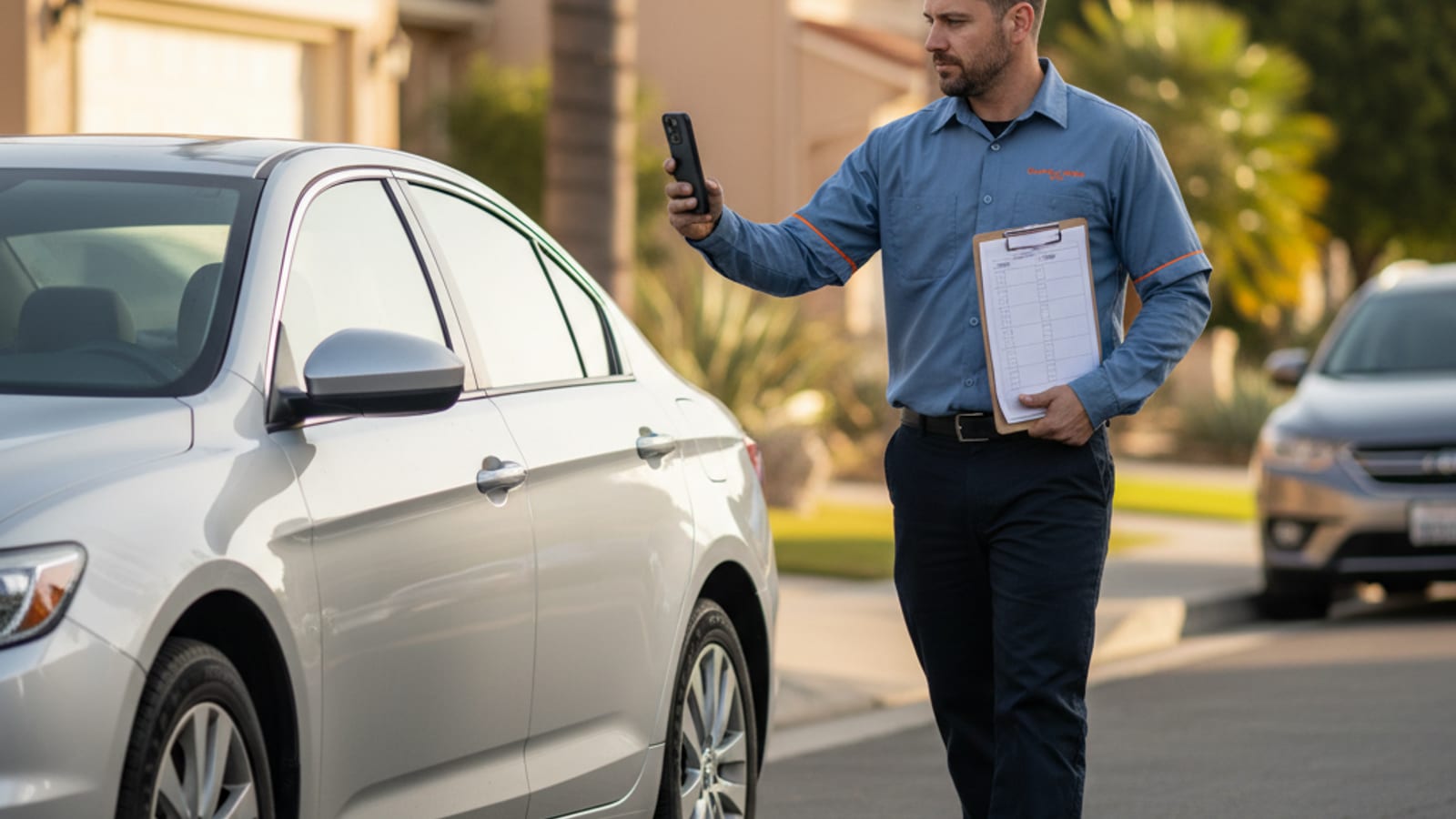
Prepare your vehicle for a tow
A few minutes of prep before the tow truck arrives saves time, avoids damage, and makes the whole call go faster.
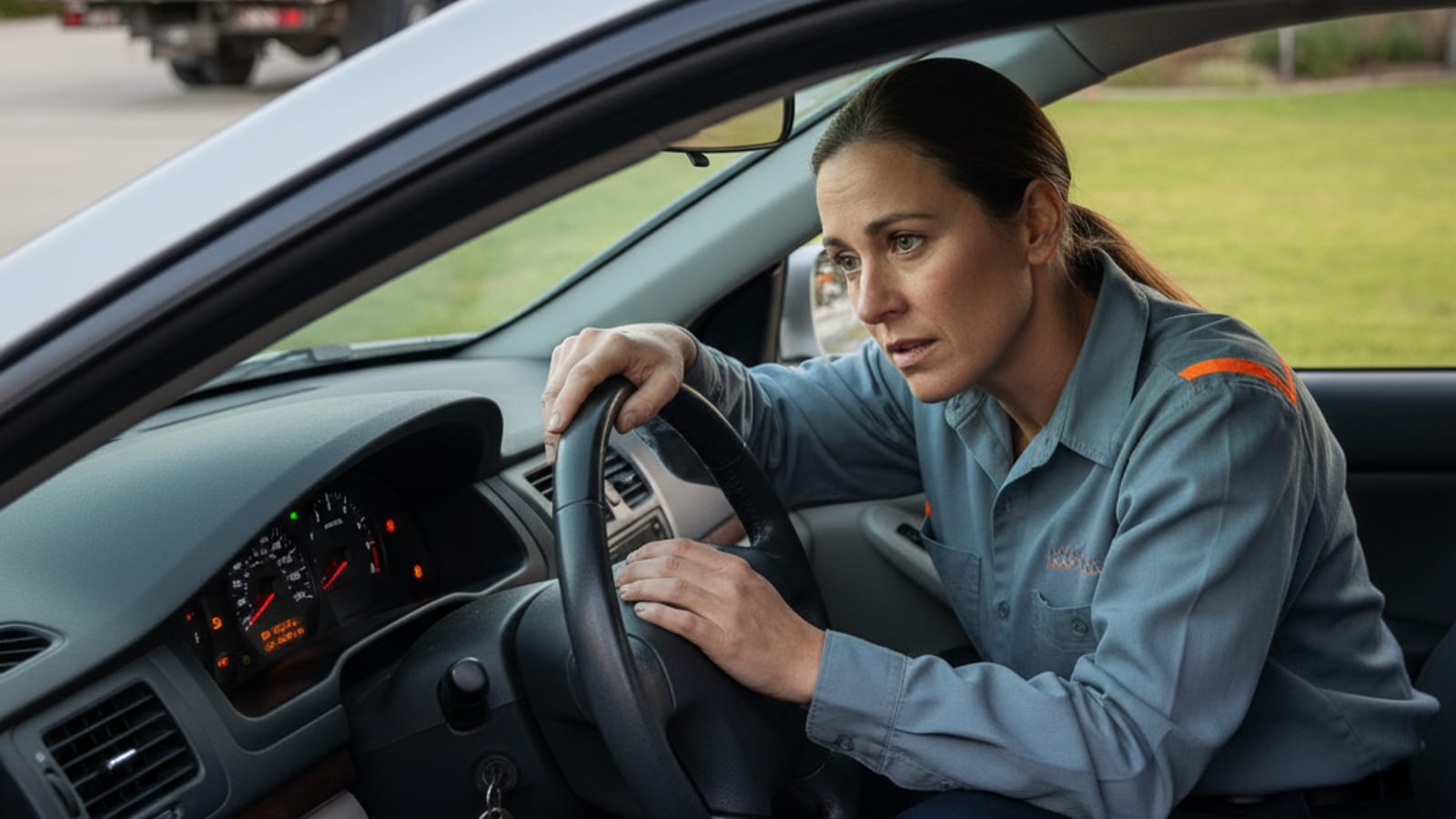
Car will not start - what to check first
Before calling for a tow, check five things first. Most of the time the car is fine and you just need a boost, a fuse, or a key that talks to the transponder.
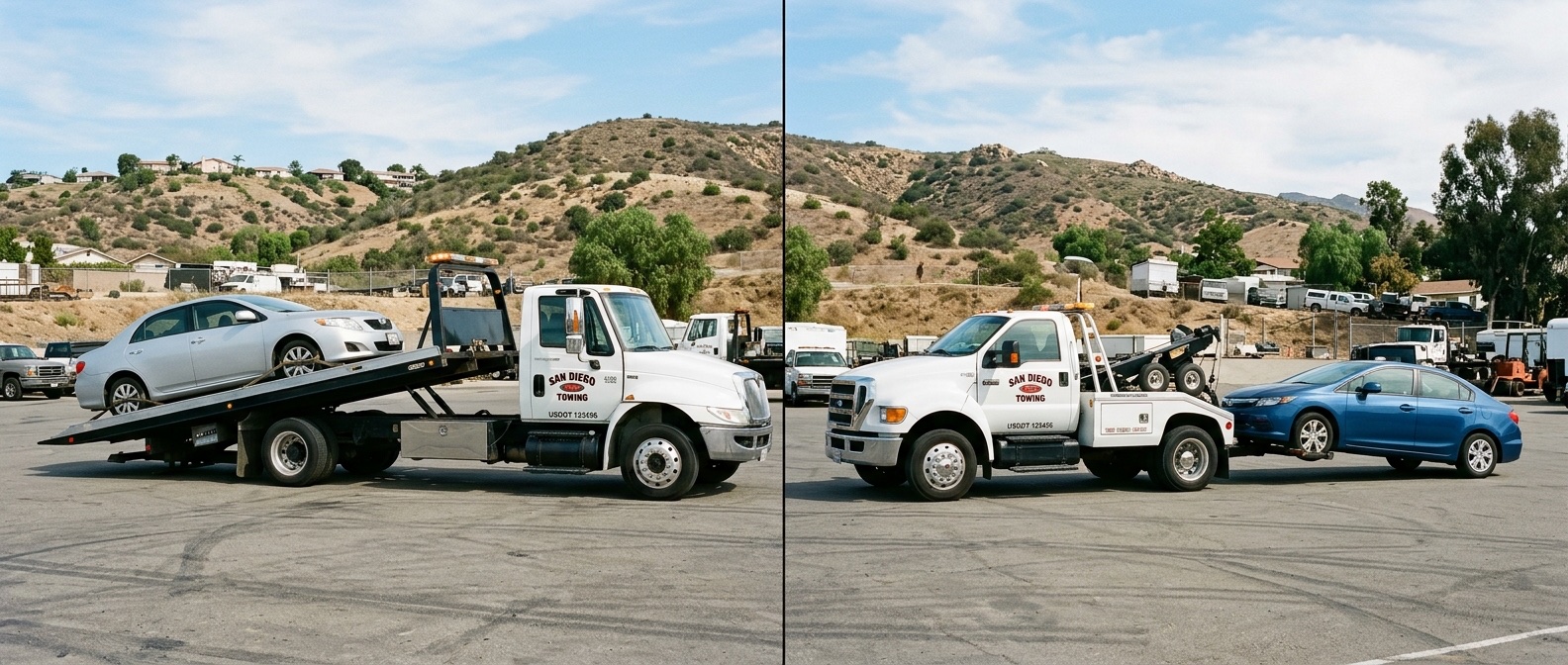
Flatbed vs wheel-lift towing: which is safer?
Both are legitimate tow methods, but the wrong one can wreck your car. Here's which method belongs on which vehicle, and when to refuse a wheel-lift.
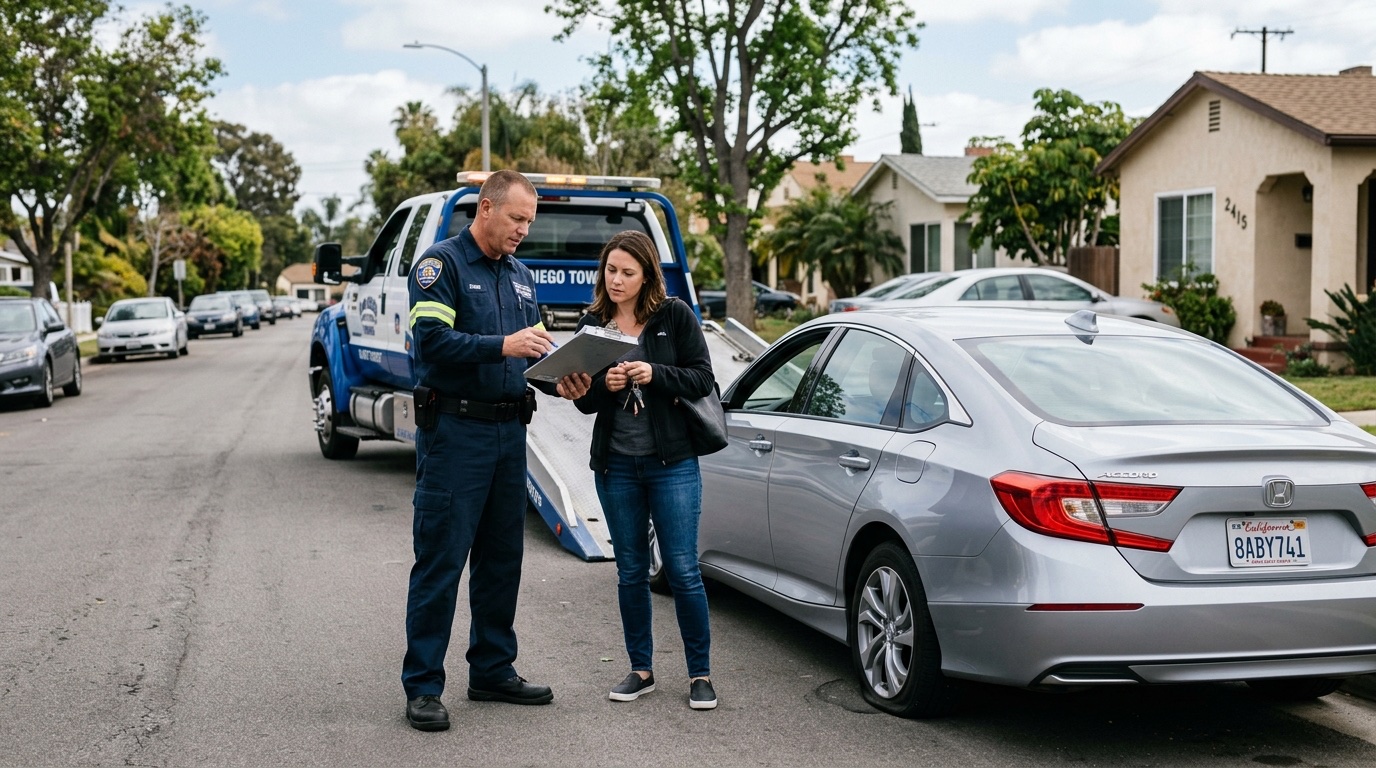
Can a tow truck refuse to take my car in New York City?
Yes, but only in specific situations, and which rules apply depends entirely on who ordered the tow. Here is when an operator can refuse, and what you are owed either way.
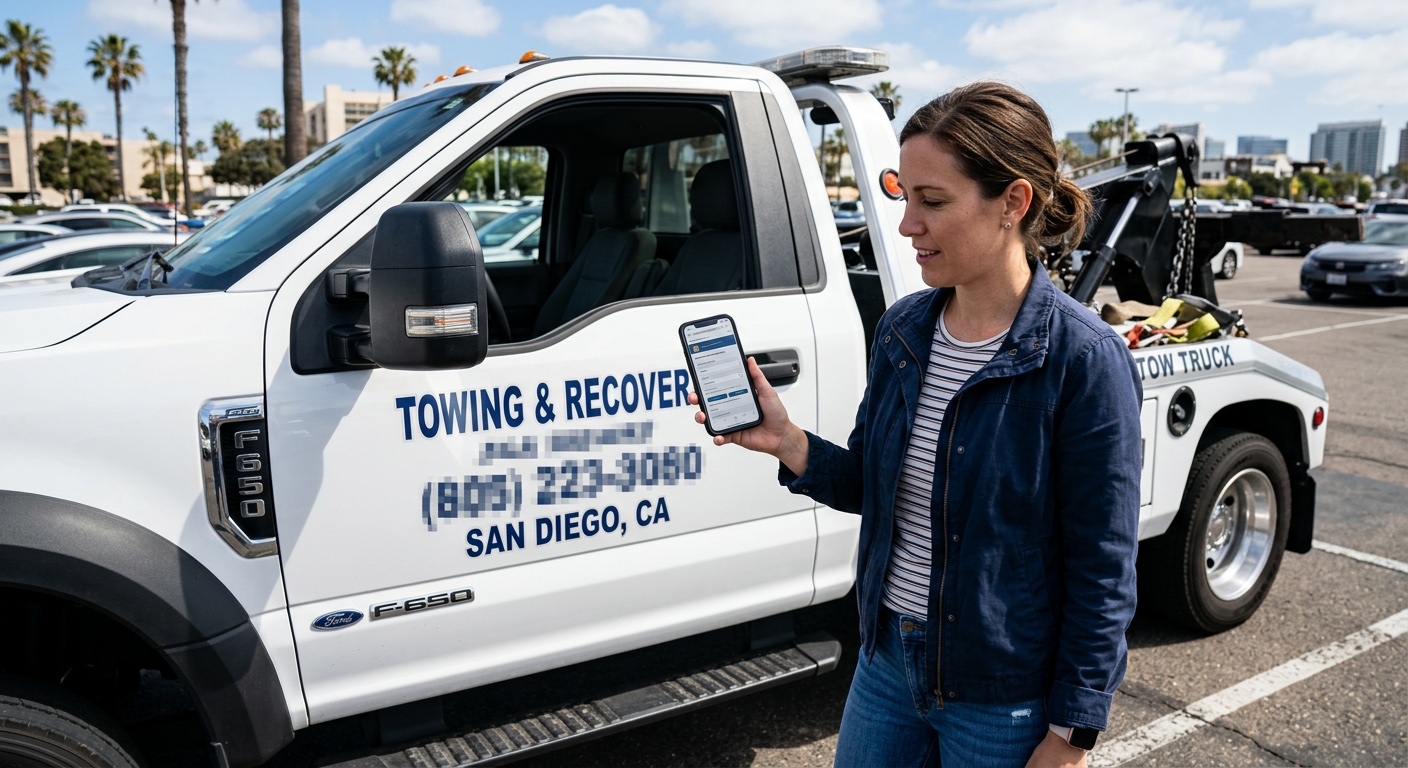
How to verify a New York City tow company is legitimate
New York City licenses the companies that tow from private property, which trips people up. Here is what you can actually check, and it takes five minutes.
Compare a towing route before you call.
Use the towing cost calculator to organize pickup, destination, and distance details.
When should you stop and call a tow truck?
Six signs that the problem is past DIY. Turn the system off and pick up the phone - running a system with these issues turns cheap repairs into expensive replacements.
- You are on the shoulder of a busy corridor
FDR Drive, the BQE, the Cross Bronx Expressway and the Belt Parkway are among the most dangerous places in this city to stand, especially on a ramp or an interchange with no usable shoulder. Stay in the vehicle with seatbelts on and hazards flashing, and let an operator position a truck with warning lights as a buffer before anyone gets out.
- The vehicle was in any collision
Even light collisions can damage suspension, brakes, or the steering rack in ways you cannot see. Drive it after an accident only if law enforcement clears the scene and the vehicle is visibly intact.
- Ignition or dashboard is smoking
Electrical fires can progress from smoke to flames in under a minute. Pull over if you can, turn the engine off, get out, and call 911 plus a tow.
- Smoke or steam from under the hood
Overheating or a serious oil/coolant leak. Continuing to drive can cause a seized engine, a repair that costs far more than a tow. Pull over safely and call for a tow.
- Vehicle is AWD, 4WD, or electric and the drive wheels will not spin freely
Dragging an AWD or EV on a wheel lift destroys the drivetrain. Always flatbed - no exceptions. Leave your make and model when you call.
- The road is icy or you are stuck in a flooded underpass
New York ice glazes bridges, ramps and overpasses before flat residential streets, and a highway underpass fills faster and deeper than it looks in a heavy rain, as the remnants of Hurricane Ida showed in 2021. Wait for a winch-out rather than trying to drive out of either one.
What towing laws and safety resources are available?
NYPD - Towed Vehicles and Tow Pounds
The NYPD's official page for a car towed for a parking violation: the Bronx, Brooklyn Navy Yard and Queens College Point tow pounds and their hours, the $185 and $370 release fees, the $20-a-night storage, the 10-day reclaim window, and the documents and payment methods needed to redeem a vehicle.
City of New York (311)NYC 311 - Towed Vehicle
The city's central guide to finding and reclaiming a towed vehicle, including the NYCServ towed-vehicle lookup, when a car is at an NYPD pound versus seized by the Sheriff, and how to report a private tow.
NYC Department of Consumer and Worker ProtectionNYC DCWP - Towing Consumer Information
The Department of Consumer and Worker Protection page on private towing: licensed operators, the signage standard, the capped removal and storage rates, the hookup rule, and how to file a complaint against a tow company.
NYC Department of FinanceNYC Department of Finance - Booting and the Sheriff
How the NYC Sheriff boots and tows for unpaid judgment parking and camera tickets: the $350 boot threshold, the 48-hour and immediate-tow triggers, and how to clear a scofflaw hold.
New York State Department of Motor VehiclesNY DMV - Registration, Title and Salvage
The New York State DMV on vehicle registration, title transfers, and salvage and flood titles, which matter when a towed or water-damaged car needs its paperwork sorted before it goes back on the road.
New York State SenateNY Vehicle and Traffic Law 1202 - Stopping, Standing and Parking
The state statute behind no-stopping and no-standing zones: the distances from hydrants, crosswalks, signals, railroad crossings, bridges and tunnels that make a vehicle subject to an immediate tow.
New York State SenateNY Vehicle and Traffic Law 1224 - Abandoned Vehicles
The state statute that defines when a vehicle is abandoned, from the 6-hour no-plate window to the 96-hour private-property window, plus the notice, the 10-day owner window and the disposal of low-value vehicles.
New York State SenateNY Lien Law 184 - Garage Keeper and Tow Lien
The state statute behind a tow operator's lien for towing and storage: certified-mail notice within 5 working days on a police-directed tow, lienholder notice within 20 days, the 30-day possession rule, and the cap at any written estimate given.
NYC Department of TransportationNYC DOT - Parkway and Truck Route Restrictions
The city DOT rules that ban commercial vehicles, trucks and tow trucks from the parkways such as the Belt, the FDR and the Henry Hudson, plus low-clearance warnings, which shape how a recovery is reached and routed.
Port Authority of New York and New JerseyPort Authority of NY and NJ - Bridge and Tunnel Restrictions
Vehicle restrictions at the Holland Tunnel, Lincoln Tunnel and George Washington Bridge, including the trailer, axle, hazmat, height and width limits that decide which crossing a disabled or oversize vehicle can use.
Still stranded? Call the line.
If the guide didn't get you moving, we can. The line takes calls around the clock.