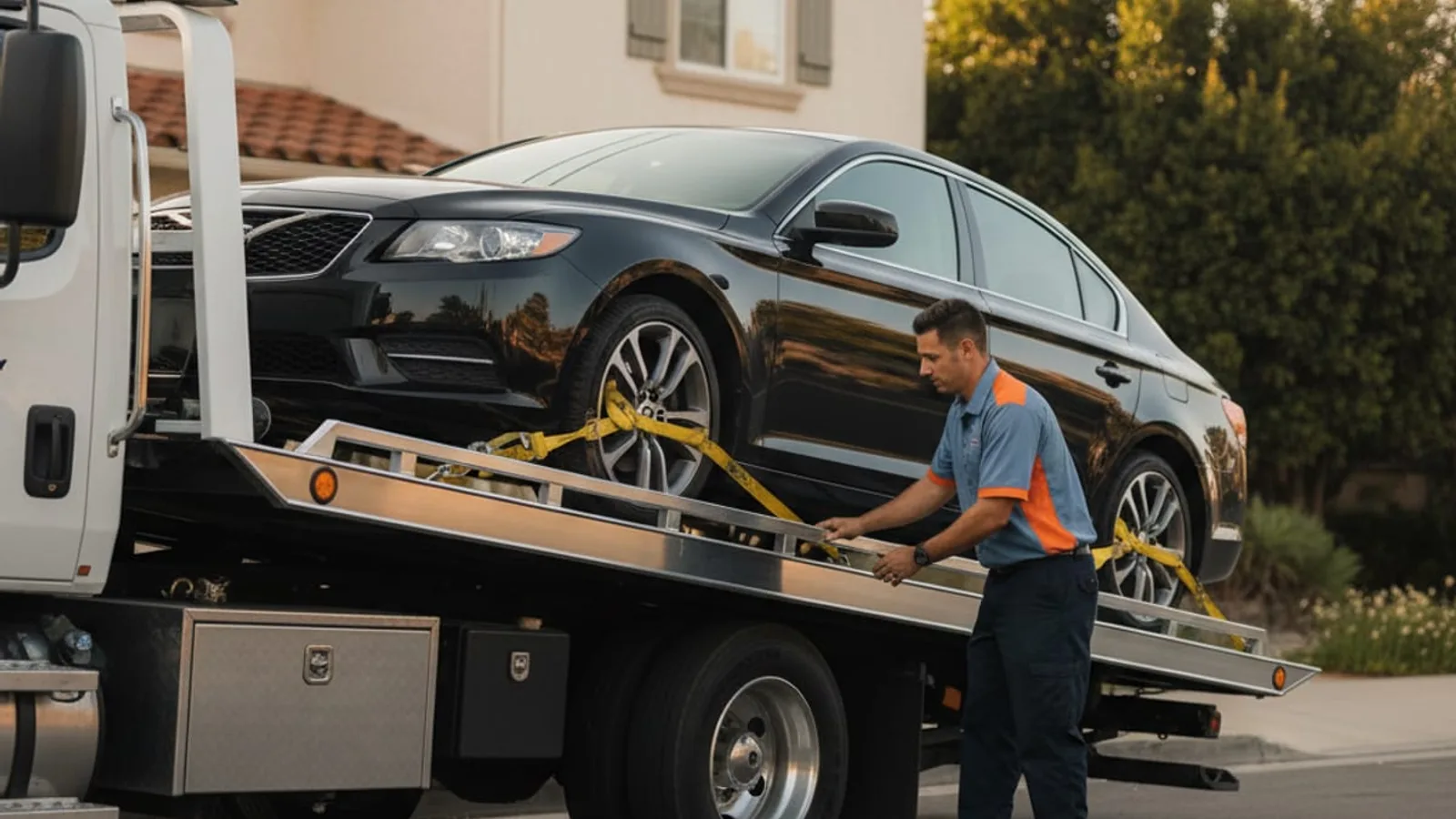
The fastest tow in New York isn’t the closest truck, it’s the right truck routed a legal way to where you are. Tell dispatch your borough, your exact cross streets or the road and direction, the vehicle, and what’s wrong. The parkway truck ban means a flatbed often can’t take the obvious road, so location and access matter more here than in most cities.
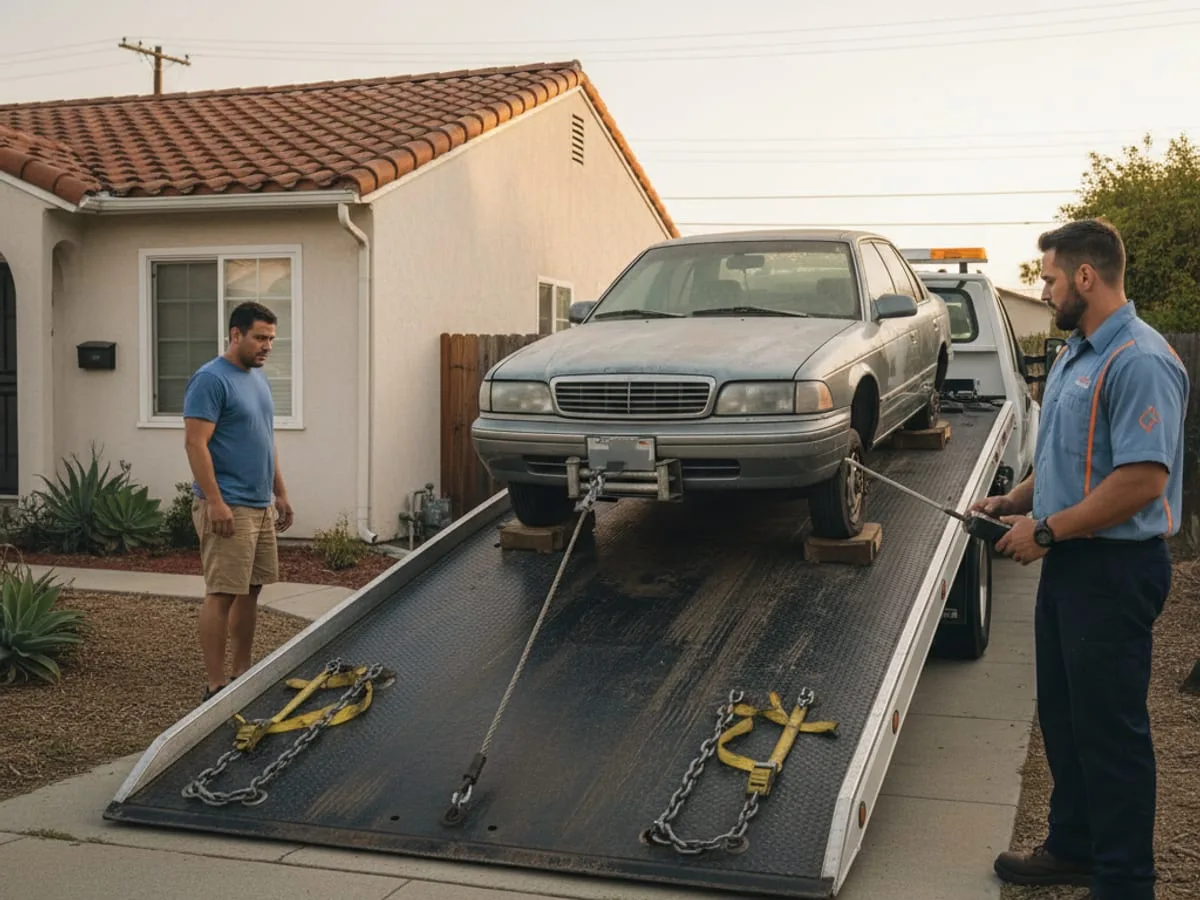
Why “nearest” is the wrong question in NYC
In a normal grid, the nearest available truck wins. In New York, a truck two blocks away may be an hour out if it has to route around a parkway, a tunnel restriction, or a bridge with a truck limit. The right question is which available operator can reach your exact spot fastest by a road their truck is allowed on.
That’s why vague locations cost time. “Near the bridge” or “on the highway” makes dispatch guess. Give the borough, the road, the direction of travel, and the nearest exit or cross street. If you can safely read a highway marker or a nearby address, that pins you down fast.
The parkway truck ban shapes the route
New York bans commercial vehicles, trucks, and tow trucks on its parkways, including the Belt, the FDR, the Henry Hudson, the Cross Island, the Bronx River, the Hutchinson, the Grand Central and others. A flatbed on one of those roads is itself a violation, per the DOT parkway restrictions.
So if you break down on a parkway, an operator has to reach you a permitted way and get you off by a legal route. Knowing which parkway you’re on and the nearest exit lets dispatch plan the approach instead of turning back at a banned entrance. The tunnels add limits too, since the Holland Tunnel bars large trucks and trailers.
Match the truck to the vehicle
The right equipment prevents a second call. A standard car with a drivable problem can often ride a wheel-lift. A low-clearance car, an all-wheel-drive vehicle, or an EV should go on a flatbed so nothing driven gets dragged. Say the make and whether it’s all-wheel drive or electric so the first truck that arrives fits.
Damage matters too. Mention a flat you can’t change, a wheel or suspension problem, or collision damage. Those details help the operator bring the right rig and rated capacity the first time, rather than sending a truck that can’t do the job.
What to have ready before you call
Have four things in hand. Your precise location, described above. The vehicle, including make, drive type, and whether it’s electric. The problem, in plain terms. And a safe destination, such as a shop, dealership, or home the car can be delivered to.
If you’re on a live lane, get to a shoulder or off the roadway if you safely can, put your hazards on, and stay clear of traffic while you wait. On a road with no shoulder, like stretches of the FDR or the Cross Bronx, tell dispatch that so they know the recovery is more urgent.
Across the five boroughs
Demand looks different by borough, and so does access. Manhattan means tight rush-hour tow-away zones and tunnel approaches. Brooklyn and Queens mix expressway breakdowns with dense alternate-side streets. The Bronx has the Cross Bronx and Major Deegan choke points. Staten Island leans on the Staten Island Expressway and the Verrazzano approach, where a stall has few alternates. Naming the borough and corridor gets you a truck that knows the route.
When to call us
Call when you need a truck and want it matched to the vehicle and routed a legal way the first time. Quick Tow NYC is a referral service that connects you with independent local operators across the five boroughs. We don’t own trucks, and the operator states the price before dispatch. Our line is answered around the clock at (858) 925-5546.
Common questions
How do I get a tow truck to me fastest in NYC?
Give dispatch your borough, the exact road and direction or cross streets, the vehicle and its drive type, and the problem. Precise location and the right truck matter more than raw distance here.
Can a tow truck come onto a parkway to get me?
Tow trucks are banned on NYC parkways, so an operator reaches you by a permitted route and gets you off legally. Tell dispatch which parkway and the nearest exit so they can plan the approach.
Do I need a flatbed?
Often, yes, for a low car, an all-wheel-drive vehicle, or an EV, so nothing gets dragged. Say the make and drive type when you call so the first truck sent is the right one.
Does Quick Tow NYC operate the trucks?
No. We’re a referral service that connects you with independent local operators. We don’t own trucks or set a flat rate. The operator quotes the price before the truck is dispatched.