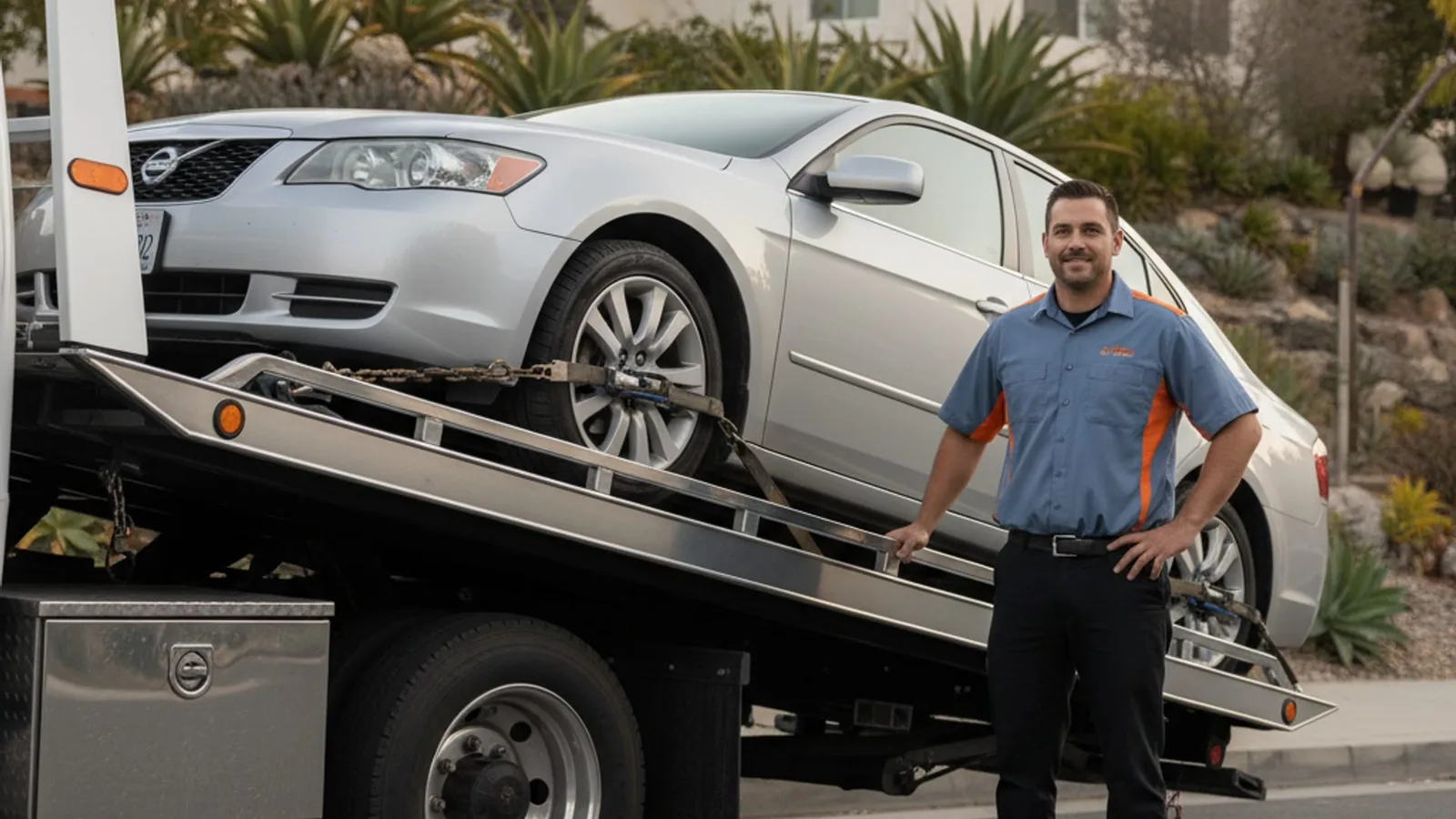
When a car is towed in New York City you have real, written protections. A private-lot operator is capped on price, has to have posted proper signs, must drop the car for a $62.50 fee if you catch it before removal, and can only store it within 10 miles inside the city. For a police-directed tow, the operator holding your car under a lien has to notify you in writing. And any operator working outside the rules is a complaint to the DCWP. Confirm your car’s exact situation with the city before you pay.
Your rights on a private-lot tow
If a licensed operator towed you from a private lot, the price is capped at $125 for removal plus three days, then $15 a day, per the DCWP towing page. The lot has to have posted signs meeting the city’s specs before it could tow at all. And under Admin Code 19-169.1, if you return before the car is removed and it’s hooked to the truck, the operator must disconnect it for a $62.50 drop fee.
You also have a location right. The same law says the car must be stored within city limits and no more than 10 miles from where it was removed. An operator can’t move it far out to make it hard to get back.
The lien-notice right
An operator who holds your car has a lien for the towing and storage under New York Lien Law section 184. That lien comes with duties. For a tow directed by law enforcement, the operator has to send you notice by certified mail within five working days, and notify any lienholder within 20 days. Late notice limits the lien to the mailing date forward.
Two more limits sit in that statute. The lien is capped at any written estimate the operator gave you, so they can’t inflate the bill past what they quoted in writing. And the lien is void if the vehicle leaves the operator’s possession after 30 days. You can read the section on the state’s legislation site.
What an operator cannot do
An operator can’t charge above the DCWP cap on a private-lot tow. They can’t finish towing a car you’re standing next to instead of taking the drop fee. They can’t store your car outside the 10-mile, in-city limit. And they can’t ignore the lien-notice duties on a police-directed tow.
They also can’t hold a car hostage over an inflated bill beyond a written estimate. If you gave, or were given, a written figure, that’s the ceiling on the lien. Knowing these limits is what keeps a bad actor honest at the counter.
The complaint path
The Department of Consumer and Worker Protection licenses towing businesses in the city, so it’s where a complaint goes. If you were overcharged, towed from a lot with no compliant signs, or denied a drop when you caught the car in time, file with DCWP. Keep the receipt, the operator’s name and license, and any photos of the lot’s signage.
For a car in an NYPD pound, work through the pound and the city’s channels, since the city sets that fee. Confirm the right schedule first so your complaint or dispute names the correct rule.
Recorded lines and one-party consent
New York is a one-party consent state for call recording under Penal Law sections 250.00 and 250.05. Our own forwarded line records both sides and says so, which one-party consent allows. That’s worth knowing generally, since some operators record calls too.
When to call us
Quick Tow NYC is a referral service, not a licensed towing operator, and we don’t own trucks. We connect you with independent local operators, and the operator states the price before dispatch. If you need a car moved after release or a road call anywhere in the five boroughs, our line is answered around the clock at (858) 925-5546.
Common questions
Does a tow operator have to tell me they took my car?
On a police-directed tow, the operator holding the car under Lien Law 184 must send certified-mail notice within five working days and notify any lienholder within 20 days. Late notice limits the lien to the mailing date forward.
Can they charge more than the written estimate?
No. Lien Law 184 caps the lien at any written estimate the operator gave you. Keep that estimate, since it’s the ceiling on what they can hold the car for.
The lot had no visible sign. Do I have a case?
A private lot must post compliant signs before it tows. If you were towed from a lot without them, document it and file a complaint with the DCWP, which licenses towing businesses.
How far can my car be stored from where it was towed?
On a private-property tow, within city limits and no more than 10 miles from the removal point, under Admin Code 19-169.1.